Cardiac arrests do not wait on a hassle-free moment. They occur in shopping centres, on school ovals, in cooking areas, and at the fitness center. What divides a close telephone call from a tragedy is commonly an onlooker that recognizes what to do in the initial 2 mins. That is the purpose of excellent quality CPR training in Miranda: to turn reluctance into action and great intentions into effective, positive care.
I have trained thousands of individuals in the County over the past years: moms and dads with a newborn embeded a stroller, swim teachers, tradies, yoga exercise instructors, office teams, also grandad groups who joke through the fear and after that press like pros when it counts. The pattern repeats. People get here uncertain, they experiment guidance, and they leave able to push hard, breathe well, and make use of a defibrillator without messing up. The difference reveals on their face, but extra notably it shows in their hands.
This guide describes the kinds of mouth-to-mouth resuscitation training courses available in Miranda, exactly how adult and paediatric techniques vary, what a course really covers, how evaluations work, and how to select the right option for your work environment or household. You will certainly see referrals to neighborhood choices like first aid professional miranda and phrases such as cpr program miranda or emergency treatment program in miranda. Those show the real choices locals make when looking for training. Utilize them as signposts, not sales pitches, while you examine what you need.
Why CPR training in Miranda matters
Ambulance response times are solid throughout the Sutherland Shire, yet even the best staffs need a number of mins to get here. Brain cells begin to pass away after approximately four minutes without oxygen. Great spectator mouth-to-mouth resuscitation can double or triple survival prices for out‑of‑hospital cardiac arrest. We are not discussing clinical heroics, just straightforward actions carried out well: check, call, press, defibrillate.
A useful detail from my courses: practically fifty percent of the cases people remember are not significant collapses. They start as a pale or a fall, adhered to by unresponsiveness. Member of the family typically think twice due to the fact that the person "looks like they are resting." Training helps you place agonal breathing, position the head, and make the best get in touch with when to start compressions. That call is everything.
Adult, kid, and infant CPR: what modifications and what does not
The principles never ever move. Air passage, breathing, circulation, and very early defibrillation. The differences are in composition, reason, and technique.
Adults usually apprehend because of cardiac causes, commonly in the context of underlying cardiovascular disease. Children and babies jail more frequently as a result of breathing troubles initially, from choking, asthma, sinking, or infections. That is why rescue breaths play a larger duty in paediatric guidelines.
Depth and pressure are the other evident distinctions. An adult breast needs body weight and secured elbow joints. A young child's upper body needs accuracy and control. I tell parents to think about the "deepness as a fraction of the upper body" rather than a number. That mental model scales to the kid in front of you.
There is also an emotional item. Individuals worry they will certainly injure a youngster. The truth is that uncorrected oxygen deprivation is a lot more hazardous than a rib fracture, and with proper hand placement and depth you minimise that danger. Self-confidence comes from technique, not from reading.
What a CPR course in Miranda in fact includes
Quality mouth-to-mouth resuscitation training miranda must be more than a lecture with a slide deck. Expect hands‑on exercise with grown-up and child manikins, infant manikins for newborn to one year, and fitness instructor AEDs that mimic triggers and rhythms. A great Miranda first aid course blends situation infiltrate the educational program to show how mouth-to-mouth resuscitation fits within overall first aid.
You will certainly exercise:
- Assessing responsiveness and breathing, including identifying agonal gasps and determining to start CPR. Calling for help and sending out a person for a defibrillator, including just how to direct an onlooker clearly. Chest compressions: hand placement, rate, and depth. Grownup at a rate near 100 to 120 per min, youngsters and infants at the same rate but adjusted deepness and technique. Rescue breaths: creating a proper seal with a mask, opening up the airway with head tilt chin lift, and using the jaw thrust where neck injury is suspected. AED use: powering on, using pads to adults and kids, making use of paediatric pads if readily available, and following prompts without delay. Teamwork: switching compressors every 2 mins, connecting throughout analysis, and handling group or family members dynamics.
The better classes also include fast modules on choking monitoring, sinking response, and post‑resuscitation treatment while awaiting the ambulance. If you enrol in first aid and cpr miranda together, you will cover bleeding control, burns, cracks, allergic reactions, diabetes mellitus, and stroke acknowledgment also. That incorporated method suits work environments that need a first aid certification miranda for compliance and family members that want the complete toolkit.
Adult mouth-to-mouth resuscitation in detail
The adult component concentrates on strong, continuous compressions and prompt defibrillation. Below is what experience educates past the basics.
Hand placement and position. Place the heel of your hand on the centre of the chest on the reduced half of the sternum, not on the ribs. Lock your arm joints, shoulders over your hands, and use your hips. Push hard enough to reach a depth of about one third of the chest, which for a lot of adults is around 5 to 6 centimeters. You will certainly feel joints move. Keep your fingers off the ribs to prevent slipping.
Pace and consistency. People frequently begin at 140 per min then discolor. A metronome is your friend, however if you do not have one, consider a consistent song because 100 to 120 range. Do not chase speed at the cost of deepness or full recoil. The upper body needs to come back to neutral with each compression for venous return.
Breaths with an obstacle. Two rescuers can work with compressions and breaths with a ratio of 30 to 2 in adults. Solo rescuers that can not offer breaths effectively ought to proceed compression‑only mouth-to-mouth resuscitation. From technique, the time you lose fiddling with a mask can exceed the benefit if you are alone and unskilled. In classes, we train both so you can choose suitably in the moment.
AED early, pads right. In Miranda, many health clubs, clubs, buying locations, and area centres have AEDs. Transform it on, reveal the upper body, dry any kind of wetness, shave extreme hair if the pads will certainly not stick, and place the pads as revealed. Stopping compressions only for analysis and shock delivery matters more than people expect. If the AED states "no shock recommended," return to compressions immediately.
Common mistakes to view. Leaning on the chest in between compressions, superficial press due to be afraid of harm, and expanded pauses for breaths. In training, a trainer can tap your forearm to sign recoil and call out timing to maintain you straightforward. The distinction between 4 cm and 6 centimeters deepness is not academic, it is the difference in between low and significant perfusion.
Child CPR in detail
For kids from one year to the age of puberty, the proportion remains 30 to 2 for solitary rescuers and 15 to 2 if two skilled rescuers exist. The main modifications are hand placement and compression force.
Use one or two hands relying on the kid's dimension. Aim for one third of the chest depth once again, which can be about 4 to 5 cm in a school‑age youngster. Maintain your hand on the lower fifty percent of the sternum. The pace remains 100 to 120 per minute.
Breathing tends to be crucial in paediatric cases. After five initial rescue breaths, check for indications of life and after that start cycles. If you are alone and the cause looks respiratory system, such as drowning, provide concerning 2 mins of mouth-to-mouth resuscitation prior to leaving to call emergency situation services and get an AED. That two‑minute policy conserves lives in child situations where oxygen financial obligation is the driver.
Defibrillation is still crucial. Usage paediatric pads and a child setting if available. Otherwise, adult pads placed with no overlap serve. Do not postpone while searching for a youngster package so an adult AED is at hand.
In courses, I typically demonstrate the difference in upper body conformity between a child manikin and an adult. Learners get the feeling for the lighter however still definitive push. That kinesthetic memory is worth greater than any type of slide.
Infant mouth-to-mouth resuscitation in detail
Infants approximately one year require a different hold and improved control. The standard sequence echoes youngster mouth-to-mouth resuscitation, but techniques change.
Open the air passage with a neutral head placement, not full extension. Baby heads are heavy relative to the upper body and respiratory tracts kink easily. A small towel under the shoulders can aid achieve a neutral position.
Provide 5 first rescue breaths, making sure simply a smoke of air sufficient to see the chest surge. Over‑inflation dangers gastric inflation and regurgitation, which complicates respiratory tract management. With practice utilizing a pocket mask sized for infants, you can provide effective breaths with very little volume.
Compression method differs with rescuer count. For a single rescuer, use cpr miranda 2 fingers on the sternum, just listed below the nipple area line, not at the tip of the sternum. For two rescuers, the two‑thumb enclosing strategy gives better compression depth and stability. Aim for one third upper body depth, concerning 4 centimeters in numerous infants.
Ratios continue to be 30 to 2 for solo rescuers and 15 to 2 for 2 rescuers. Prioritise breathing in respiratory system causes like choking or drowning. Just like children, carry out regarding 2 mins of mouth-to-mouth resuscitation before entrusting to call for help if you are alone and the arrest was likely respiratory.
Parents tell me the baby component feels the most intimidating. It obtains much easier with repeated method on baby manikins that supply comments on depth and price. I urge moms and dads to review this ability every 6 to year via a mouth-to-mouth resuscitation refresher course miranda to maintain the feeling current.
Choking, drowning, and special situations
A rounded emergency treatment and mouth-to-mouth resuscitation program miranda need to cover common scenarios where mouth-to-mouth resuscitation is come before by details actions.
Choking in grownups and kids asks for back impacts and abdominal thrusts if the person can't cough or breathe. If they fall down, you will start mouth-to-mouth resuscitation, checking the mouth for noticeable blockages each time you open the respiratory tract for breaths. For babies, make use of back impacts and upper body thrusts rather than abdominal thrusts. Practice the body positioning with an instructor, given that angle and assistance make the technique both risk-free and effective.
Drowning needs immediate air flow as soon as the individual is out of the water. Dry the chest quickly for pad bond if an AED arrives. Hypothermia in water incidents can preserve brain feature, so continue resuscitation longer than you might otherwise, and be mild in dealing with to stay clear of arrhythmias.
Trauma calls for care with neck activity. Usage jaw drive if you believe a back injury and prevent head tilt if there is substantial resistance. Hemorrhaging control runs along with resuscitation, so combining a miranda emergency treatment training course with mouth-to-mouth resuscitation makes sense for numerous workplaces.
Asthma and anaphylaxis can bring about respiratory system apprehension. If a person quits breathing after an extreme bronchial asthma strike, start CPR and ventilate. If the client is understood to be in danger of anaphylaxis, make use of an adrenaline auto‑injector if offered while calling for aid. In incorporated emergency treatment and cpr training courses miranda, you will practice both the injector and inhaler spacer technique.
How analyses work and what accreditation means
When you schedule a miranda first aid training or cpr programs miranda session with a certified carrier, you will certainly complete a theory component and a practical evaluation. Theory is usually provided online before the class and takes 30 to 90 minutes relying on the unit. The useful session runs from one hour for CPR‑only to a complete day for incorporated first aid and mouth-to-mouth resuscitation courses miranda.
You will certainly show grown-up compressions and breaths on a manikin, AED pad placement and cycle monitoring, and in a lot of paediatric‑inclusive classes, youngster and baby techniques also. Anticipate to stoop on the flooring for a sustained period. If you have knee or back issues, let the trainer recognize so they can adapt the configuration without compromising the evaluation standard.
A first aid certificate miranda or mouth-to-mouth resuscitation statement of achievement is issued upon effective conclusion. Numerous offices need current CPR, frequently restored every year, while the broader emergency treatment certification commonly freshens every three years. For those in high‑risk environments or caring for at risk groups, I suggest brief refreshers every 6 to one year regardless of formal requirements. Ability drift is real. The hands forget.
Choosing the right program in Miranda
Start with your objective. If you coach junior sporting activity, select a program that includes paediatric CPR and choking monitoring. If your work environment mandates a complete first aid training course in miranda, validate the devices of competency called for. If you are a new parent, look for a course with extended baby practice time and tiny team ratios.
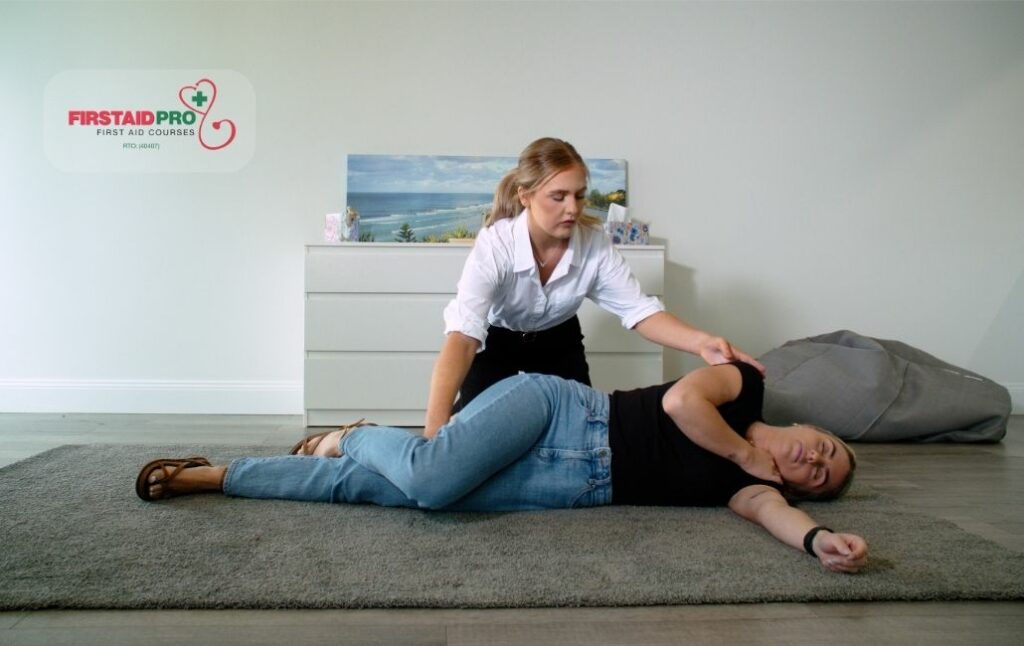
Look at instructor experience. Good teachers translate guidelines right into activity with stories and circumstances that mirror the County's truths. Ask just how much time you will certainly invest in the flooring doing compressions. If the answer is under 20 mins in a mouth-to-mouth resuscitation class, keep looking. Quality training makes your arms tired for the right reasons.
Check devices. Manikins must provide feedback on depth and price, not simply serve as a prop. AED fitness instructors should match usual models located around Miranda. Ask whether the course includes masks and handwear covers practice together with correct cleansing protocols.
Confirm flexibility. Several service providers supply evening and weekend sessions to fit shift workers or moms and dads. Group bookings for work environments are common. If you search for emergency treatment training in miranda or first aid programs in miranda, you will certainly see choices that pertain to your website with mobile gear, which is practical for teams.
Providers like emergency treatment professional miranda, together with various other recognized organisations in the location, run multiple streams every week. Compare dates, areas, and additions rather than skipping to the nearby location. A 10 minute drive can be the difference between a seat at a crowded course and a focused session where you get real feedback.
What to anticipate on the day
Arrive in comfortable apparel that enables stooping and getting to. Bring water and prepare to relocate. The class will likely open up with a quick threat chat and home cleaning, after that dive right into DRSABCD, the Australian key survey framework. You will learn to detect danger, check for an action, send out for assistance, open the air passage, check breathing, start CPR, and apply a defibrillator.

Expect rep. In great training, you will certainly spiral back through compressions three or four times in various circumstances. You will defibrillate more than when. You will certainly exercise kid and baby series individually so your brain can change equipments. The time will pass rapidly, and by the last round you ought to really feel both faster and calmer.
Questions are urged. If you are uncertain about hand positioning or proportions or whether to utilize breaths in a provided circumstance, ask. The class is the place to iron out confusion. I have seen stubborn myths melt in five mins when a student evaluates the idea with a manikin and a metronome.
Common blunders and just how to prevent them
The heart of CPR is simple, yet there are traps.
People usually under‑estimate their pause time. Whenever you quit compressions, matter out loud the seconds till you begin once again. That routine decreases "creep" in stops briefly around breaths and pad application. In pair job, agree on a manuscript: "press, press, press, stop, evaluate, stand clear, shock, return to." Talked rhythm maintains the tempo.
Breaths leak. The majority of leakages originate from bad mask seal or the head not tilted effectively. Exercise with the heel of your hand on the mask, C‑grip around the rim, and the other hand lifting the jaw. If the breast does not climb, rearrange and try once again instead of pushing more challenging air.
The "check once again" loop. When you figure out cardiac arrest, you need to not keep looking for a pulse or breathing every few secs. Adhere to the cycle: two mins of CPR, reassess per AED triggers or visible signs of life, adjust if there is activity or breathing. Constant rechecking wastes priceless perfusion.
In paediatric situations, rescuers often miss the first breaths. The 5 first rescue breaths can make the difference in asphyxial arrests. Develop the routine in training so you do not fail to remember in stress.
AED truths in Miranda
Automated exterior defibrillators are much more readily available throughout the County than most people understand. Clubs, gyms, institutions, and council facilities significantly show them plainly. Pads are sticky and consist of diagrams. The gadget talks you with the process. Do not fear triggering harm with an AED: it only shocks when a shockable rhythm is detected.
A refined however important factor: pad placement on little upper bodies. If pads risk discussing a youngster or infant, place one on the front centre and one on the back in between the shoulder blades. That keeps the existing course with the heart while preventing pad overlap. If paediatric pads are not available, grown-up pads because front‑back configuration are acceptable.
I suggest work environments to register AED areas with national or state databases where available and to place signs noticeable from multiple approach angles. Inside a venue, saving an AED behind a secured workplace door wastes mins. Public accessibility matters as long as ownership.
Keeping abilities sharp after certification
Motor memory discolors without practice. After you complete a miranda first aid training course that consists of mouth-to-mouth resuscitation, block 10 minutes every couple of months to rehearse. If you operate in a team, rotate a two‑minute drill: compress, swap, defibrillate. Utilize a phone metronome for pace. If you are a moms and dad, keep a pocket mask in the nappy bag or glovebox and rehearse the seal and head setting on a manikin at refresher sessions.
When guidelines upgrade, go to a cpr correspondence course miranda rather than depending on a PDF web link. The changes are refined yet meaningful: compression deepness, series focus, or AED pad methods can change after large‑scale reviews of outcomes.
Costs, timing, and accessibility
Course costs vary by service provider and incorporations. A CPR‑only session is commonly valued less than an incorporated emergency treatment and mouth-to-mouth resuscitation course miranda, and personal group bookings can reduce per‑person prices for work environments. Courses run from 60 to 90 minutes for CPR‑only and as much as a full day for integrated emergency treatment and cpr miranda. Night and weekend sessions are common.
Accessibility matters. If you have knee injuries or movement restrictions, ask the company to adapt the practical evaluation. Many trainers can supply a raised platform or fit standing compressions on a table‑height manikin while still assessing technique properly. The goal is competence, not discomfort for its very own sake.
Language support is boosting. If English is your 2nd language, try to find https://thefirstaidcoursesydney.com.au/first-aid-course-miranda/ companies who use pre‑reading products and visual help. In my experience, functional skill goes beyond language with excellent demonstration and trained repetition.
Finding and booking the right option
When searching for mouth-to-mouth resuscitation miranda or emergency treatment courses miranda, focus on three signals. Initially, accreditation and systems of expertise listed. Second, instructor experience and student comments that discusses hands‑on time and clear training. Third, training course framework that assures distinct grownup, kid, and infant modules as opposed to a one‑size‑fits‑all demo.
Local companies, including emergency treatment professional miranda among others, run constant sessions throughout the week. Reserve early throughout height durations like the begin of academic year when educators and instructors renew. If your work environment requires a first aid course miranda for a group, ask about on‑site delivery. That setup permits you to exercise with your place's AED and design, that makes your future response smoother.
A final word from the training floor
I bear in mind a course where a coffee shop manager reserved six staff after a near miss out on with a customer collapse. We pierced hard on compressions and AED usage. Two months later on, the exact same group utilized those skills on a Saturday rush, started CPR within a min, and shocked when prior to paramedics showed up. The consumer returned a week later with flowers. It was not luck. It was readiness.
Miranda has an energetic area, a lot of youngsters in sport, a coastline that invites swims, and work environments that care about safety. CPR is not simply a certificate to tick a box. It is a physical behavior you can lug for several years. Whether you choose a mouth-to-mouth resuscitation training course miranda for yourself, bring your workplace into an emergency treatment training course in miranda, or line up a refresher to sharpen fading edges, take the step. When it matters, your hands will understand what to do.